Chairman of the Commission agreed to cooperate with Taras Shevchenko National University of Kyiv Leadership and USAID FAIR Justice Project, 7 December 2015
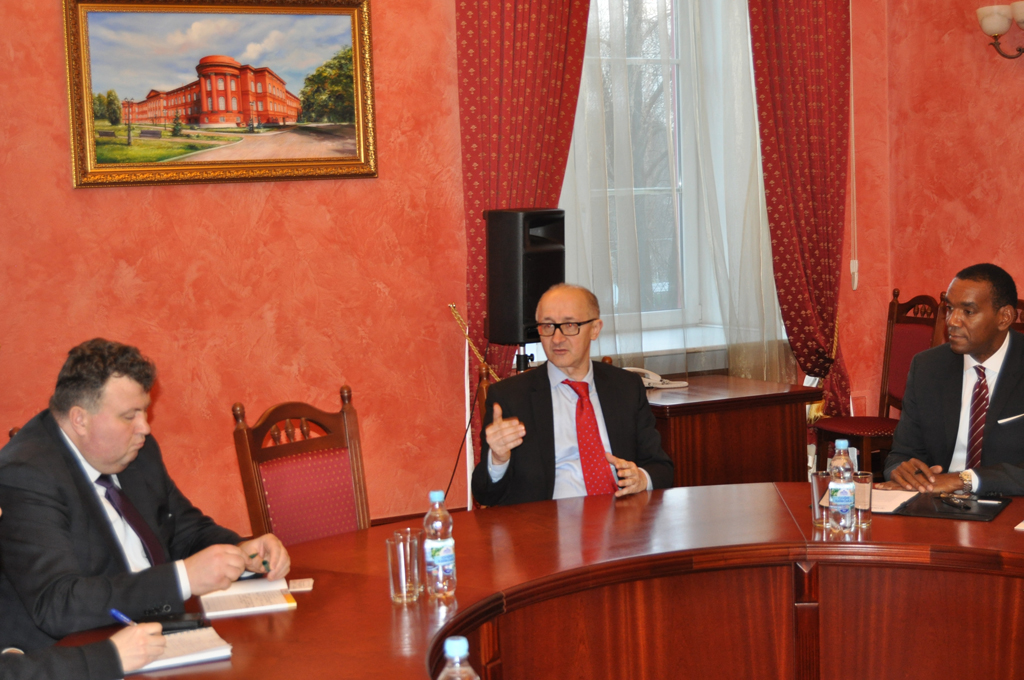
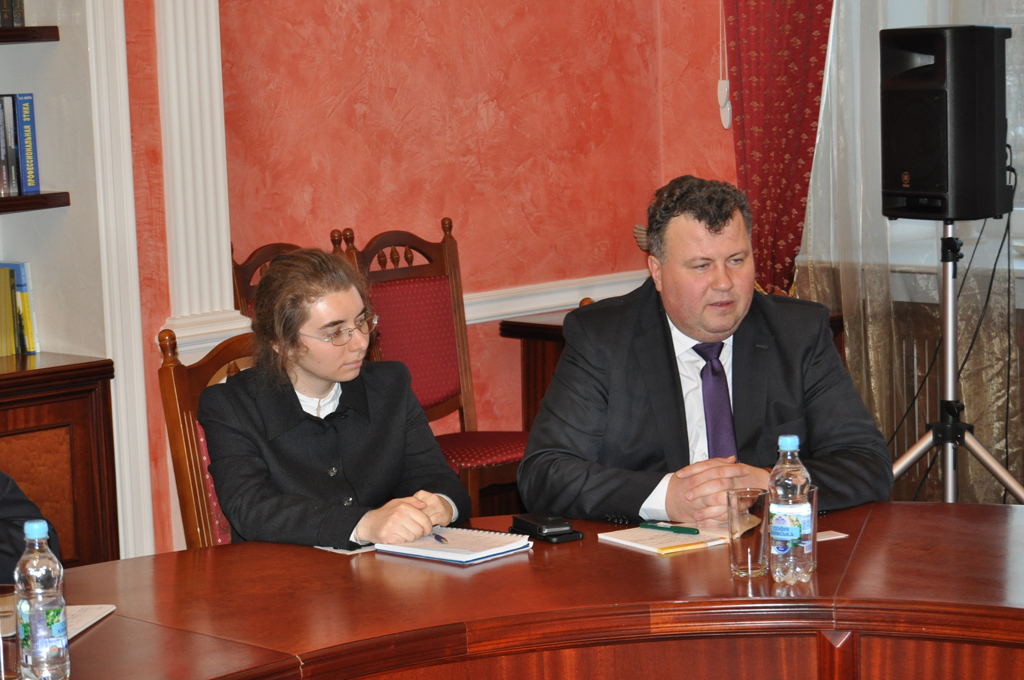
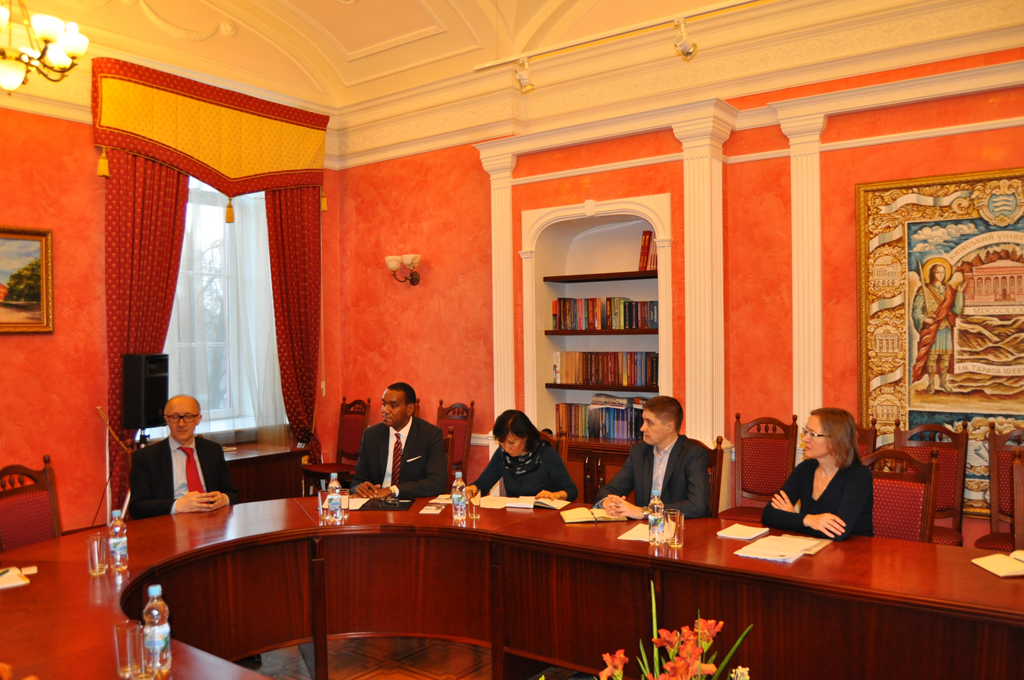
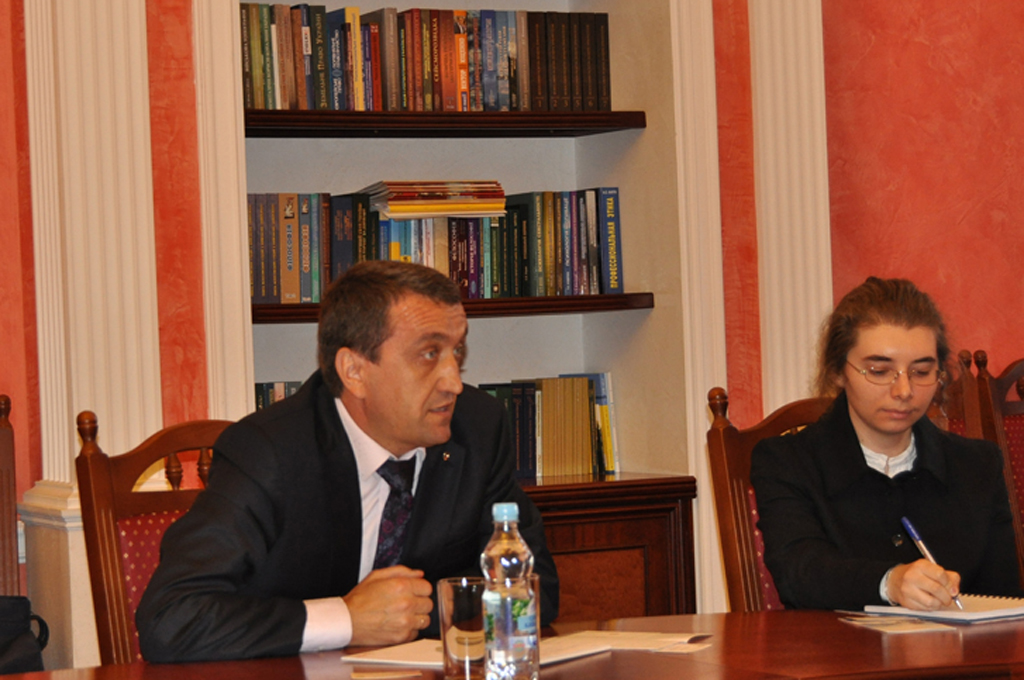
The working meeting of the Commission Chairman with Taras Shevchenko National University of Kyiv Leadership Mr. Volodymyr Buhrov, Pro-Rector (Scholar & Educational work) and Mr. Ivan Danyliuk, Dean of the Faculty of Psychology, USAID FAIR Justice Project representatives Mr. David Vaughn, USAID FAIR Justice Project Chief of Party, Mrs. Anna Sukhova, Advisor on Legal Affairs and representatives of the Commission Secretariat: Mr. Roman Savchuk, Director of Professional Qualification of Judges and Judicial Candidates Department of the Commission Secretariat and Mr. Anton Korob, Deputy Head of the International Cooperation Department of the Commission Secretariat took place on 7 December 2015.
The meeting, held at the premises of Taras Shevchenko National University of Kyiv, was aimed to determine the ways of cooperation between the Commission, the USAID FAIR Justice Project and Taras Shevchenko National University of Kyiv regarding development and implementation in the form of anonymous testing of the candidate's personal moral and psychological qualities definition system for election to the position of a judge.
Mr. Sergii Koziakov, Chairman of the Commission stressed on the importance of judicial reform in Ukraine for democratization of the community and the role of the Commission in this process. The introduction of the personal moral and psychological qualities testing of the candidate to judicial position is one of the elements of these reforms.
Mr. Volodymyr Buhrov, Taras Shevchenko National University of Kyiv Pro-Rector (Science & Educational work) has noted positive experience of cooperation between the University, the Commission and the USAID FAIR Justice Project obtained during the preparation to the first qualification examination, conducted by Commission in accordance with the Law of Ukraine “On Judiciary and the Status of Judges” dated 7 July 2010 No. 2453-VI.
Mr. David Vaughn noted the achievements of the USAID FAIR Justice Project in the field of candidate's psychological testing for election to judicial position and told about the same positive experience of foreign countries (Austria, Netherlands).
Mr. Ivan Danyliuk, Dean of the Faculty of Psychology told the participants about achievements of the Taras Shevchenko National University of Kyiv researchers on creating psychological testing laboratory and noted that available material base of the University will allow to develop and conduct respective candidate's testing at the appropriate level.
Mr. Roman Savchuk, Director of Professional Qualification of Judges and Judicial Candidates Department of the Commission Secretariat stressed on the priorities of creating the psychological candidates testing system for judicial positions, namely on the development of a judicial “professiogram” – the list of a candidate's skills for the position of a judge, which are required in order to work on the position.
Following the meeting the Parties have agreed to establish the cooperation in the field of determination of personal moral and psychological qualities for the candidates to judicial positions in the form of anonymous testing, the first stage of which will be focused on Terms of Reference development.
Reference:
The United States Agency for International Development (USAID) FAIR Justice Project (FAIR) has been working in Ukraine from October 2011 to promote judicial reform.
The goal of FAIR is to strengthen the rule of law through enhancing judicial independence, improving transparency and accountability of the judiciary, raising awareness of the public about the judiciary to increase public trust and confidence.
Objectives of the Project are to assist in harmonizing the national legislative and regulatory framework for the judicial reform with European and international standards of judicial accountability and independence; strengthen the accountability and transparency of key judicial institutions; enhance the professionalism and effectiveness of the judiciary; increase the role of civil society organizations as advocates for and monitors of the judiciary.