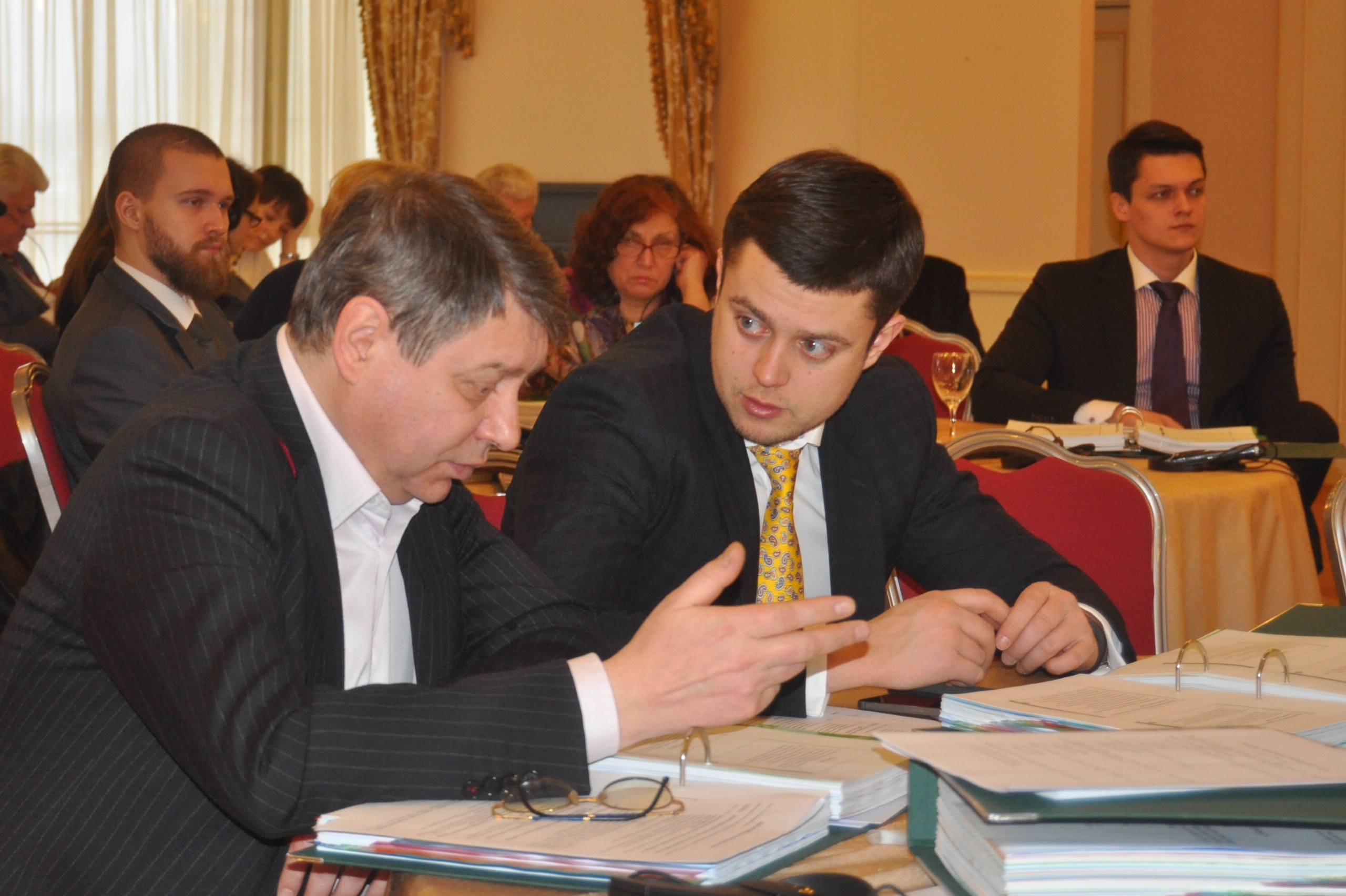
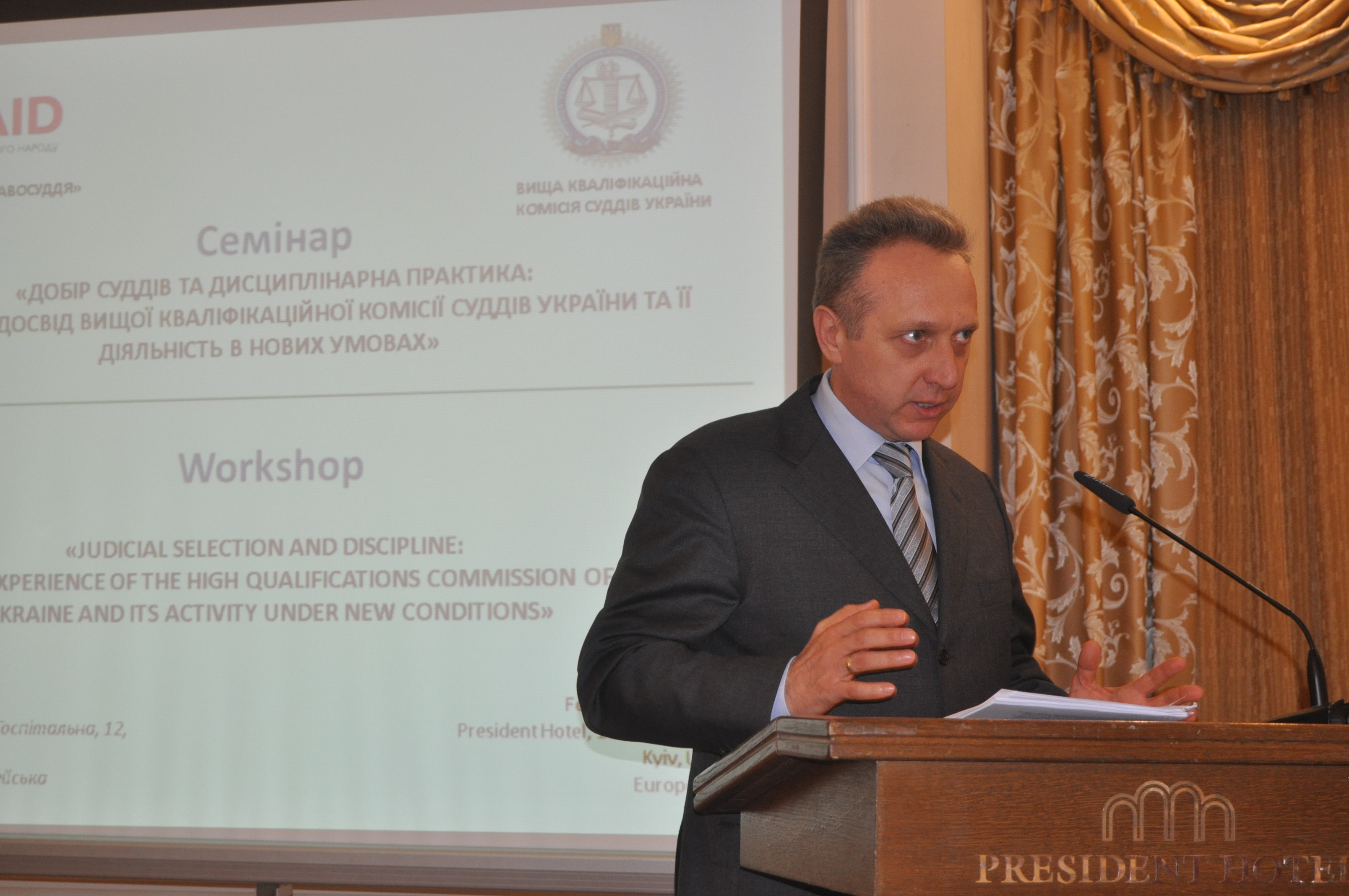
The Commission learned from international experience of selection of judges and disciplinary practices, February 20, 2015
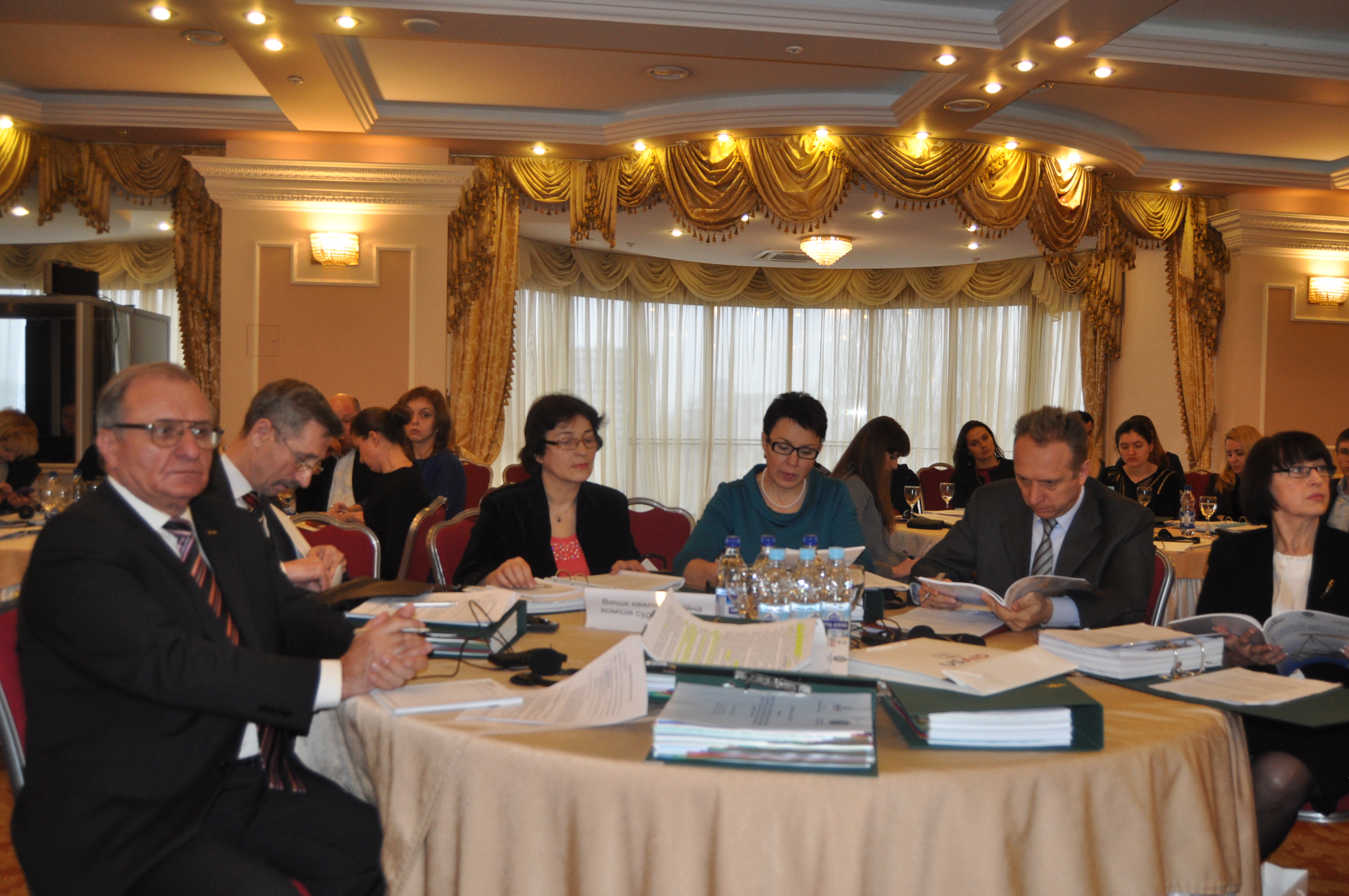
A two-day workshop "Judicial Selection and Discipline: Achievements, Experience and Activity of the High Qualification Commission in the New Environment" was ended.
It was hold three sessions during the second day of the seminar: "Judicial Selection: European Experience", "Judicial Discipline Practices: Experience, Results and Ways of Improvement" and "Ensuring Transparency in the Activity of the High Qualification Commission of Judges of Ukraine, Optimization of Prospects and Prospects for Future Implementation".
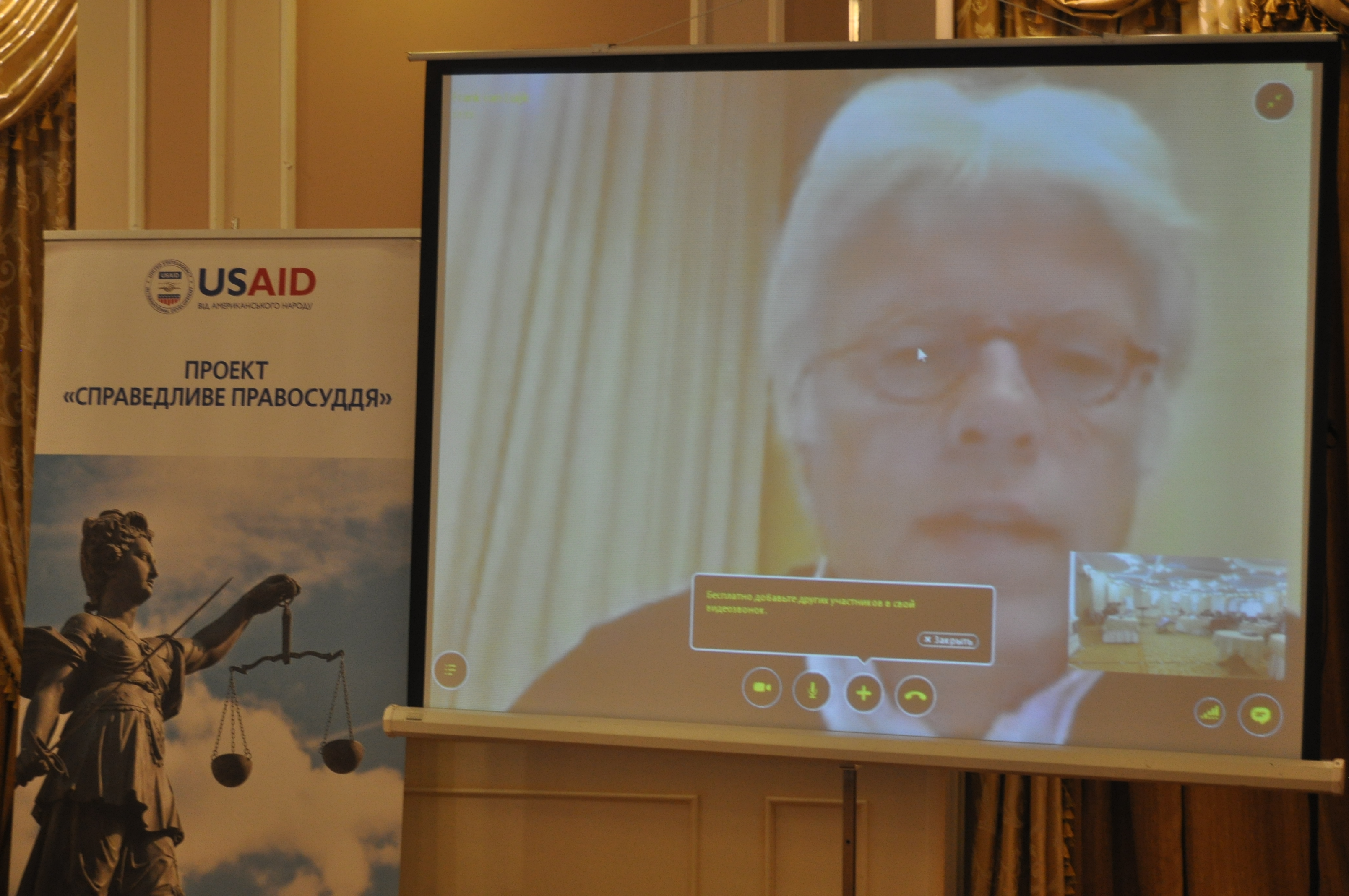
Mr Frank Van Luijk, Director of the Consulting Company «LTP Business Psychologists» said via skype conference about conducting judicial selection process in the Netherlands. To become a judge in the Netherlands have to go the way of grade 10, and the appointment can be made by King. Mr Frank Van Luijk noted that very important role in the selection occupied a psychological testing.
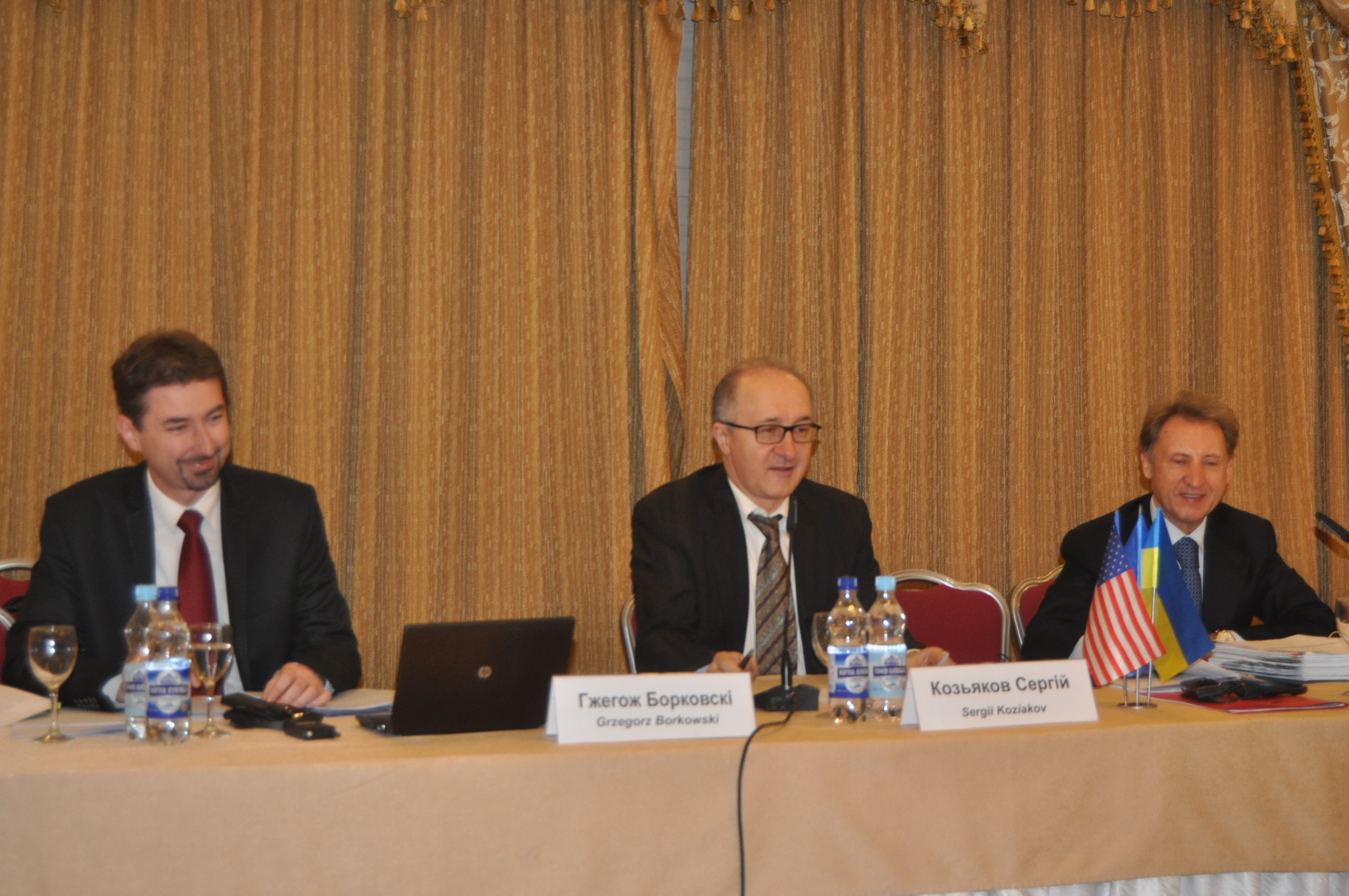
Mr Grzegorz Borkowski, Judge, Representative of the International Cooperation Department of the National School of Judiciary and Public Prosecution in Poland briefed the participants with the experience of training for the candidates in Poland. Judicial education of our neighbors lasts 48 months. Within judicial education in Poland, participants attend 30-month course at the National School, and in accordance pass the training program.
During the next session Mr Olexander Serdiuk, Expert of the USAID FAIR Justice Project, Director of Analytical Center of NGO «Institute of Applied Humanitarian Research» presented the results of the monitoring of the disciplinary practices of the High Qualification Commission of Judges of Ukraine. The research was conducted by the NGO «Institute of Applied Humanitarian Research» in April-June 2013.
Within a framework of the same session the international experts briefed participants with a foreign experience and practice of standardization procedures of the judicial discipline and responsibility of the disciplinary process for judges.
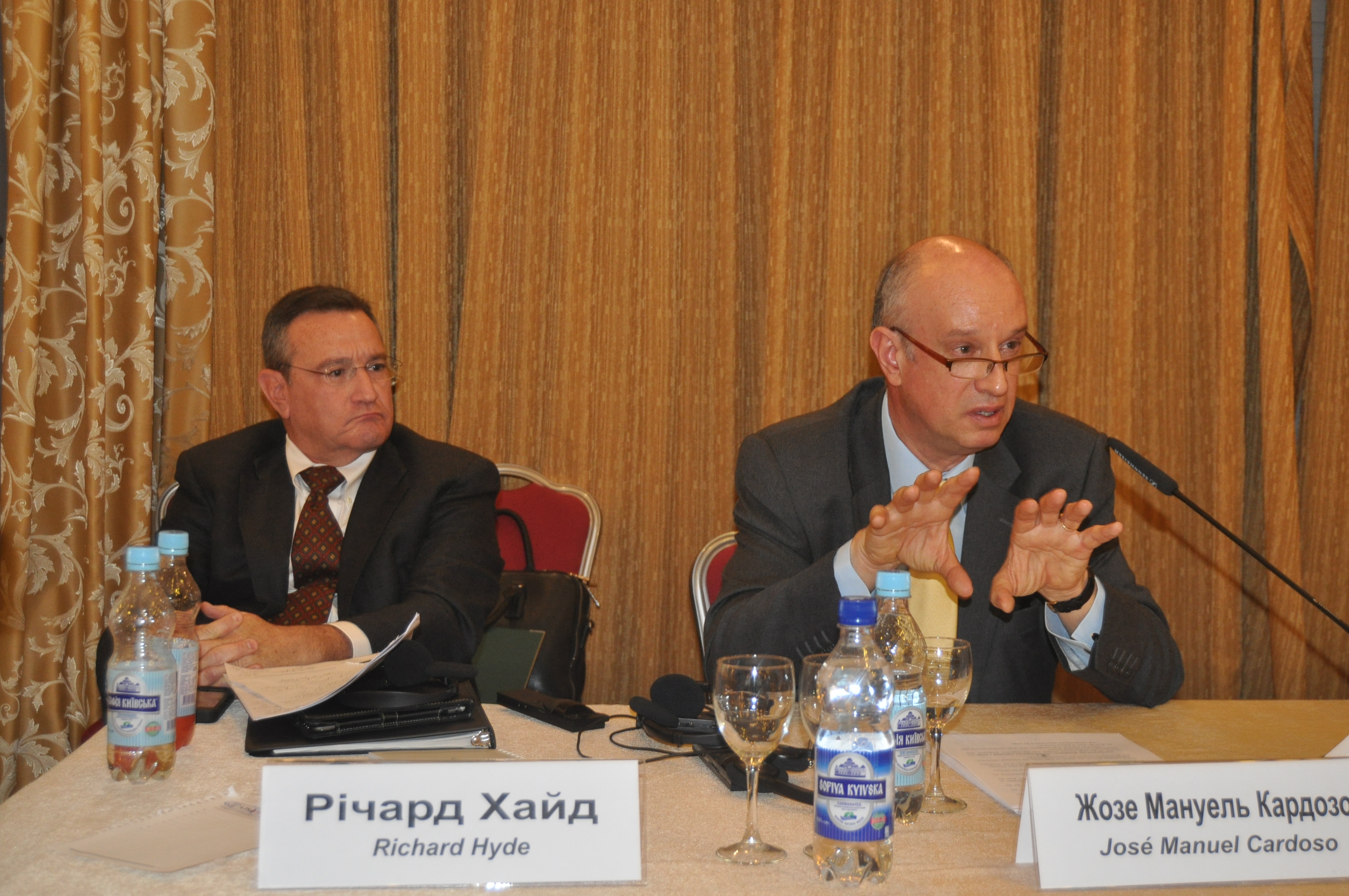
Mr José Manuel Cardoso, Judge of the Court of Appeals of Lisbon Judicial district, formed Head of the Vice-President Cabinet of the High Council of Judges of Portugal said that the Portuguese system of judicial discipline responsibilities is under the complete and exclusive control of the High Council of Judges and its decision on the merits may be appealed to the Supreme Court. In Portugal, there is a body of disciplinary inspectors, which includes 20 officers assigned to the 20 geographical areas for working with judicial disciplinary matters and evaluation system.
Mr Richard Hyde, Member of the Judicial Qualification Commission of State Georgia stated in penalties applicable to judges in the state of Georgia (USA). A judge may be dismissed, suspended or otherwise held liable for intentional misconduct assumptions, deliberate and systematic neglect judge, alcohol abuse, charged with committing an immoral crime, prejudice the administration of justice, which led to the negative reputation of judicial office.
Mrs Cristie Danilet, Member of the High Council of Judiciary of Romania noted about the Romanian experience in standardization and implementation procedures of selection of judges.
Mr Stanislav Shchotka, Secretary of the High Qualification Commission of Judges of Ukraine in his speech turned attention to disciplinary practices of the High Qualification Commission of Judges of Ukraine. He recalled that in the new composition of the Commission was held 4 meetings to review disciplinary matters, which was reviewed 331 disciplinary proceedings. He said that the priority for the Commission now is to consider complaints about judges who make decisions regarding the events during the Revolution of Dignity in Ukraine and he also said about the amendments to the Law of Ukraine «On the Judicial System» improve the process of bringing judges to disciplinary procedures.
In the final session Mrs Pamela Daniels, Judicial Expert, United States drew attention to the participants how important is transparency in the selection of judicial candidates and bringing judges to the disciplinary responsibility. She also emphasized on the opportunities more efficient using of information technologies in the Commission.
Mr Borys Shuster, IT Expert, USAID FAIR Justice Project briefed on the results of work of the preparation of concepts automation workflow in the High Qualification Commission and the qualifying examination, conducted by the Commission in the procedure for selection and transfer of judges.
Mr Sergii Koziakov, Chairman of the Commission and Mr David M. Vaughan, Chief of Party, USAID FAIR Justice Project thanked invitees for their participation in the workshop and expressed hope for further cooperation.
It should be noted that the workshop "Judicial Selection and Discipline: Achievements, Experience and Activity of the High Qualification Commission in the New Environment" for two days (19-20 February), the Commission conducted in partnership with USAID FAIR Justice Project.