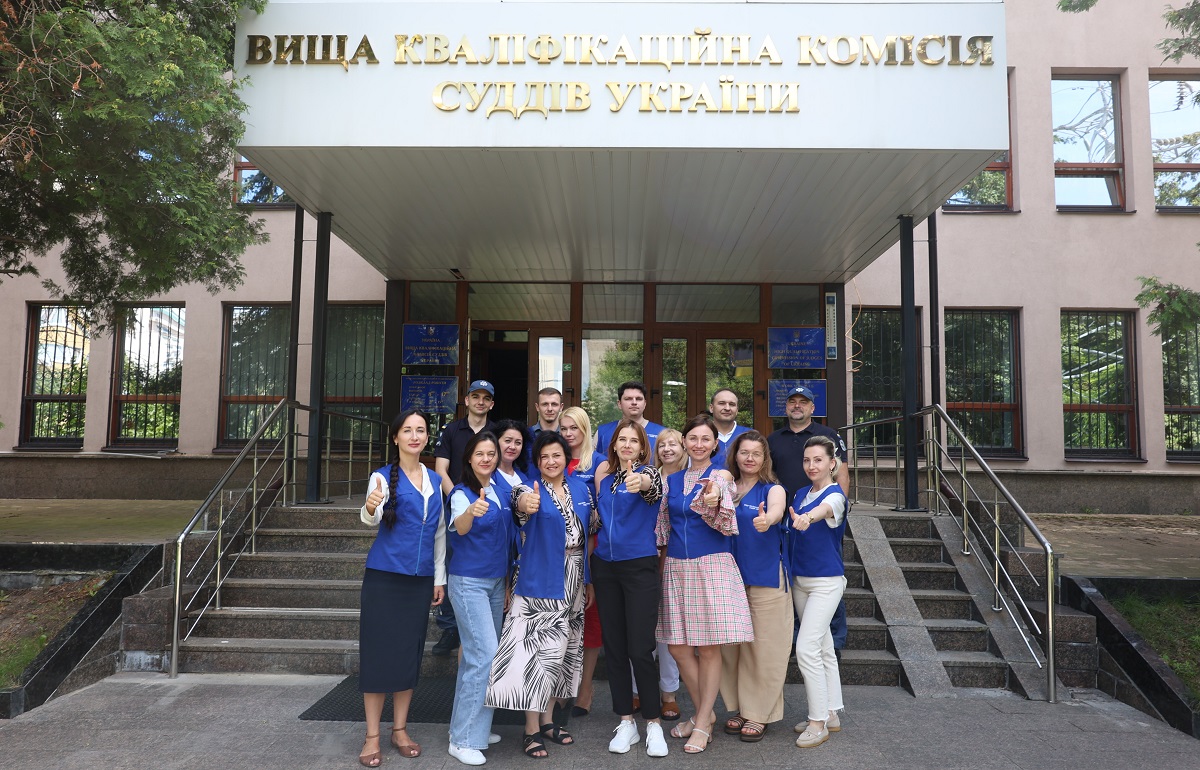

High Qualification Commission of Judges of Ukraine (HQCJ) invites you to take a look at its daily work, or more precisely, its secretariat. Commission is launching a new section – #HowWeWork, which will provide more detailed information about the work of our structural units. But without any officialdom or formalities. You will learn about it from a different angle – in a simple, human and even slightly humorous format. We will share what our departments do on a daily basis. After all, not all the laurels, or criticism for that matter, should go to the members of the Commission.
Let’s start with the Division of Organisational Securement for Examination of the Department of Judicial Career of the Secretariat of the HQCJ. As the name suggests, their main task is to organise the qualification exam. You will learn more about this.
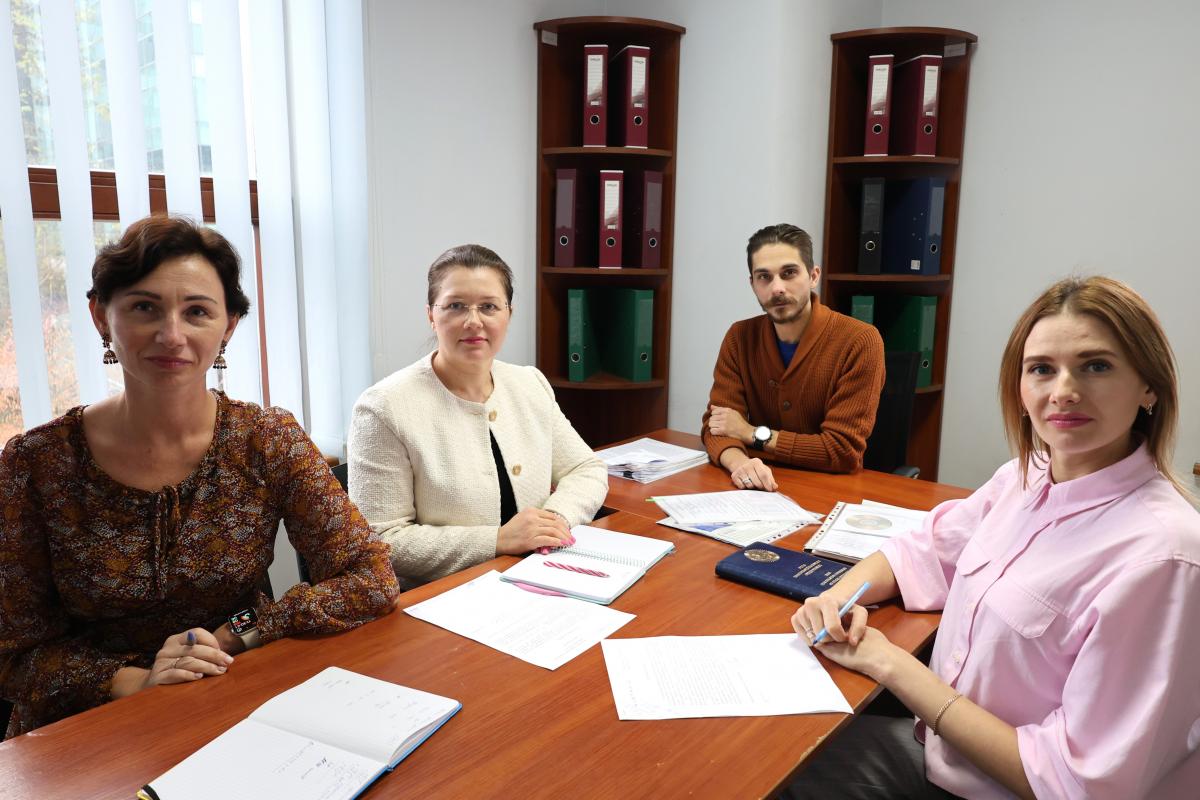
There are rumours that during the period when the Commission is testing candidates for judicial positions, the employees of this division “almost sleep in the basement”. Well, okay, they do go home, but very late. After all, it is not really a basement, but the -1 floor of the Commission building, which has its advantages. Yes, yes. During an air raid, they did not have to go anywhere, because the room has the status of a shelter)).
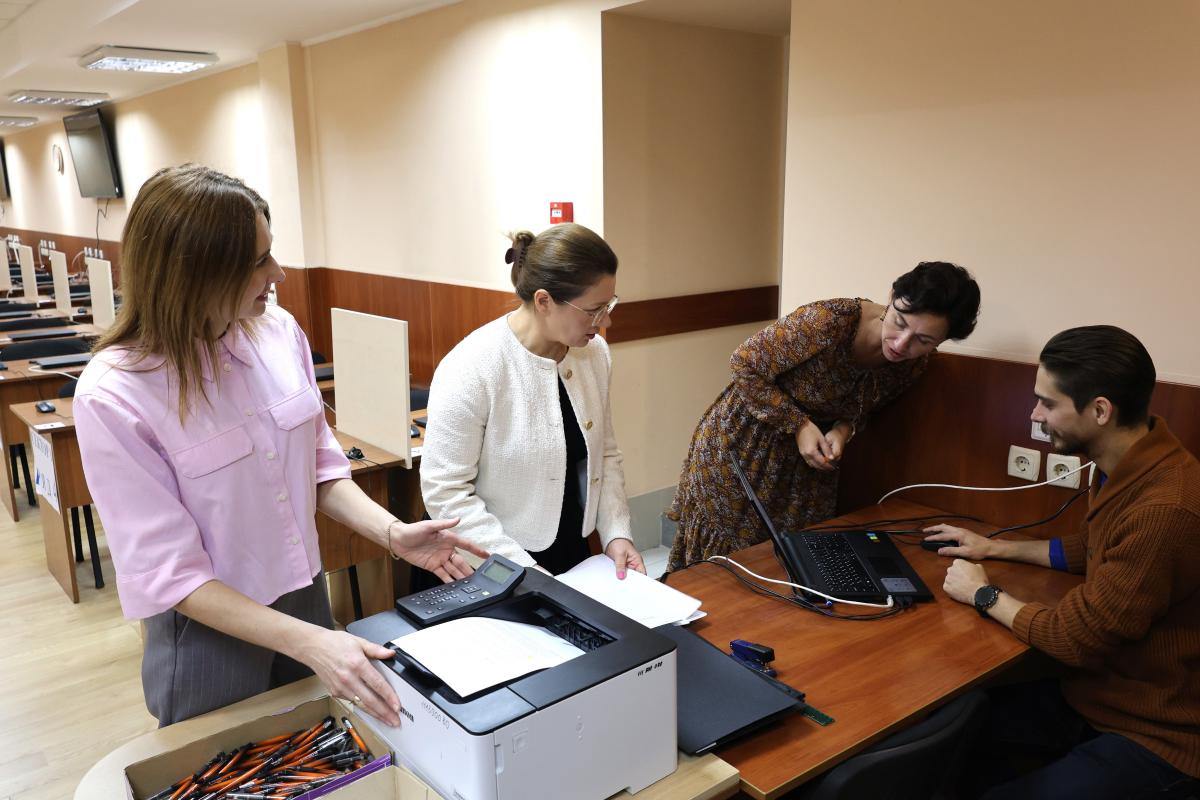
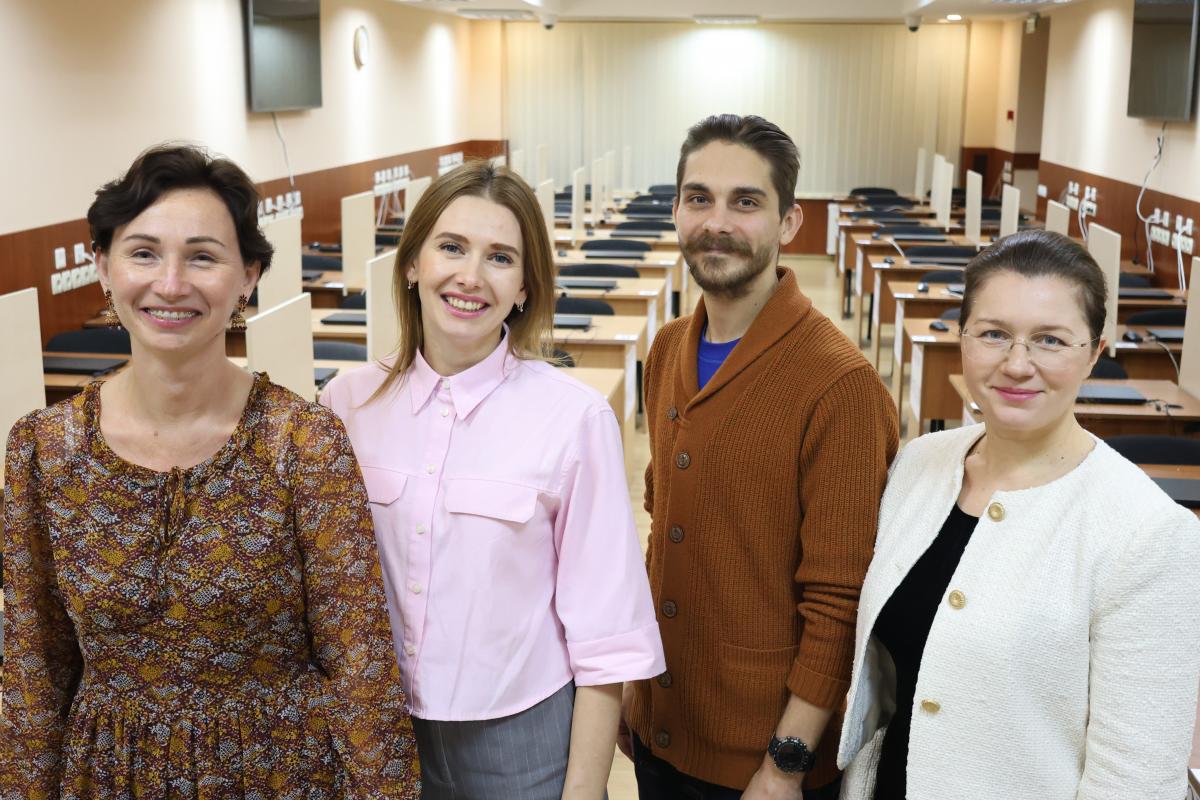
It is in this “holy of holies” (although one could argue that there is also a session room, media classrooms, and even a canteen) that the Commission conducts qualification exams, in particular, as part of the selection process for local courts, competitions for the High Anti-Corruption Court, and courts of appeal. Here, candidates take tests and perform practical assignments, and this division organises and conducts the exam. Of course, with the help of all other structural units of the Commission.
What do they do?
Meet the division without which no competition would take place! They are:
- those who “prepare” for the test, checking lists and making sure everything is perfect;
- those who register all exam participants (and always know the answer to the most frequently asked question from participants: “What is the individual code used for and where?”);
- those who conduct the testing — they ensure that the rules and order are followed (“Put all your belongings in the bags on your desks.” This is to avoid the temptation to cheat));
- and they are also the ones who are always ready to help with explanations: what, where, how, and why.
A day in the life of the division:
Morning: “How many candidates are there today? Oh, 100? The air raid siren has gone off! Okay, let’s start registration early!”
Throughout the day: “We check the lists and verify the accuracy of the data. We compile the results.”
Testing: “Silence in the hall — only the computer mouses are rustling! But there’s a raised hand — someone has a question. Let’s rush to help!”
End of the day: “Hurray, the exam went without a single incident! It’s time to publish the results and plan the next stage.”
Interesting facts about the division:
Last year, the division organised testing and practical assignments for 1,864 candidates and more than 2,000 sessions. This year, there have already been about 30,000 sessions for 9,662 candidates.
The most popular questions that employees hear from candidates are: “What if I accidentally pressed the wrong button?” and “When will the results of the practical assignment be available?”
The Head of the Division will tell you the details...
Daniil Novov, Head of the Division of Organisational Securement for Examination of the Department of Judicial Career of the Secretariat of the HQCJ.
What issues do you have to spend the most time on during exam days and on days when there are no exams?
“There are four people working in the division. On exam days, employees of our division, as well as other structural units, register participants, monitor compliance with the rules for taking the exam and the procedure for conducting it, and record the results. This summer has been extremely busy for the High Qualification Commission of Judges of Ukraine in terms of selecting candidates for local court judge positions. For example, 7,939 people took the test on the history of Ukrainian statehood alone. In addition, even during the stages of the qualification exam, employees also perform other functions assigned to the division. In particular, this includes preparing draft responses to appeals and inquiries, analytical and reference materials, and draft decisions.
On days when exams are not being held, division employees prepare for the organisation of subsequent exams within the framework of other procedures, as well as performing the division’s direct functions, in particular, familiarising participants with the exam materials.”
How does the division prepare for exams?
“Legislation in Ukraine is very dynamic and constantly improving and changing, so when preparing for exams, the division’s employees first work on harmonising the Commission’s local regulatory acts with the norms of current legislation, i.e. they participate in the development of draft amendments to such acts. This includes, for example, the Regulation on the Procedure of Qualification Examination and Methodology for Evaluation of Candidates. Division staff also prepare draft decisions on the appointment of the qualification exam, which determine the sequence of the exam stages, schedules, etc.
To conduct the stages of the qualification exam, the Head of the Secretariat issues an order approving the list of authorised representatives. The department’s employees prepare a draft of such an order, collecting and summarising information from all structural units that may be involved in all stages of the exam. Next, the division staff organise training sessions and seminars for staff of the Secretariat of the Commission involved. In particular, they develop technical cards, discuss their functions in detail with employees, agree on schedules for involvement in the stages of the qualification exam, and organise testing of the software used to conduct the qualification exam. In other words, they check that everything is working correctly, taking into account the specifics and nuances specified in the Commission’s decision on the appointment of the qualification exam or in the decision on the approval of the specifics of conducting certain stages of this exam. After that, the division staff prepare documents for approval by the Commission of all the forms necessary for conducting the qualification exam. Next, all the necessary documents are prepared for specific dates and lists of participants.”
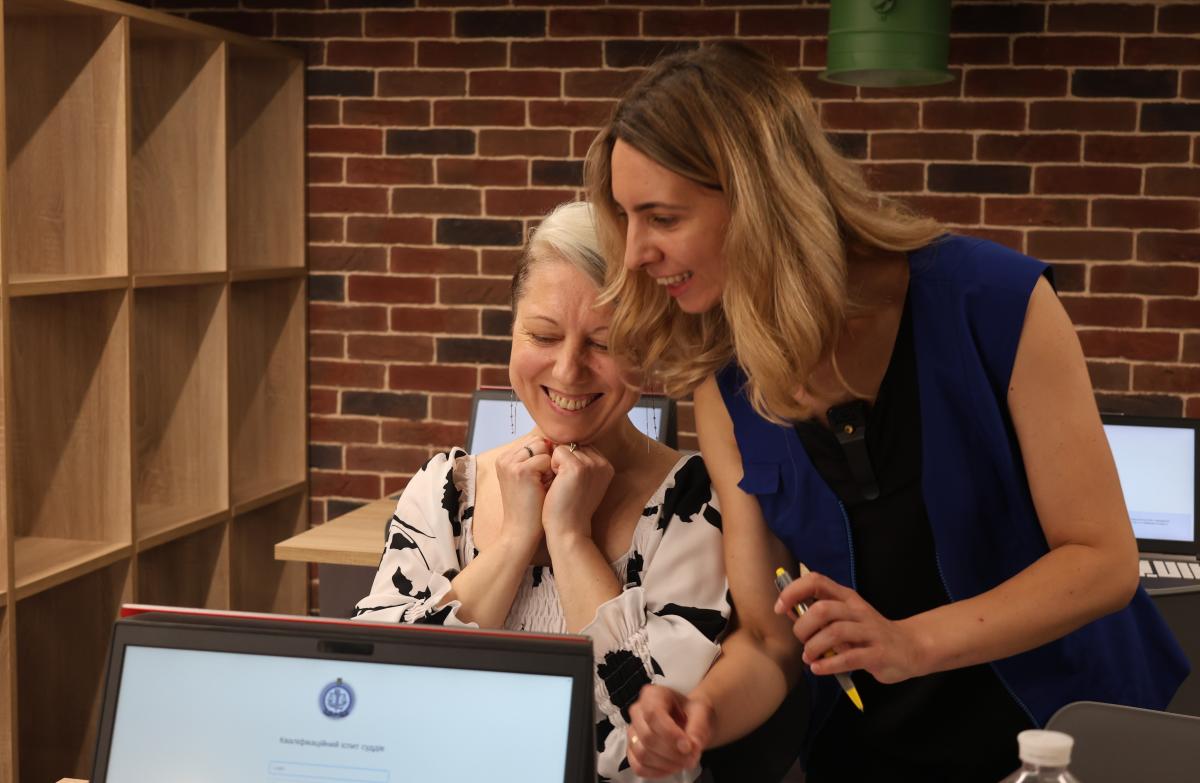
What documents should candidates bring with them to the exam, where are their details entered, and what documents do they confirm with their signature?
“This issue is regulated by the provisions on the procedure for taking the qualification exam. Each participant must arrive at the relevant stage of the exam in advance, on the date and time specified in the schedule, and have their Ukrainian passport in the form of a booklet or card with them.
During registration, authorised representatives verify the identity of the person who has come to take the exam on the basis of their Ukrainian passport and enter the details of the exam participants into the classroom records, the form of which is approved by a decision of the Commission. The records contain the participan’'s full name, date of birth and the score obtained at each stage of the test. However, there are certain features, information about which is published on the official website of the Commission. If a participant changes their surname, first name or patronymic and has not had time to notify the Commission in writing of such changes, they must bring the originals of the relevant documents confirming the change in order to be registered and admitted to the exam.
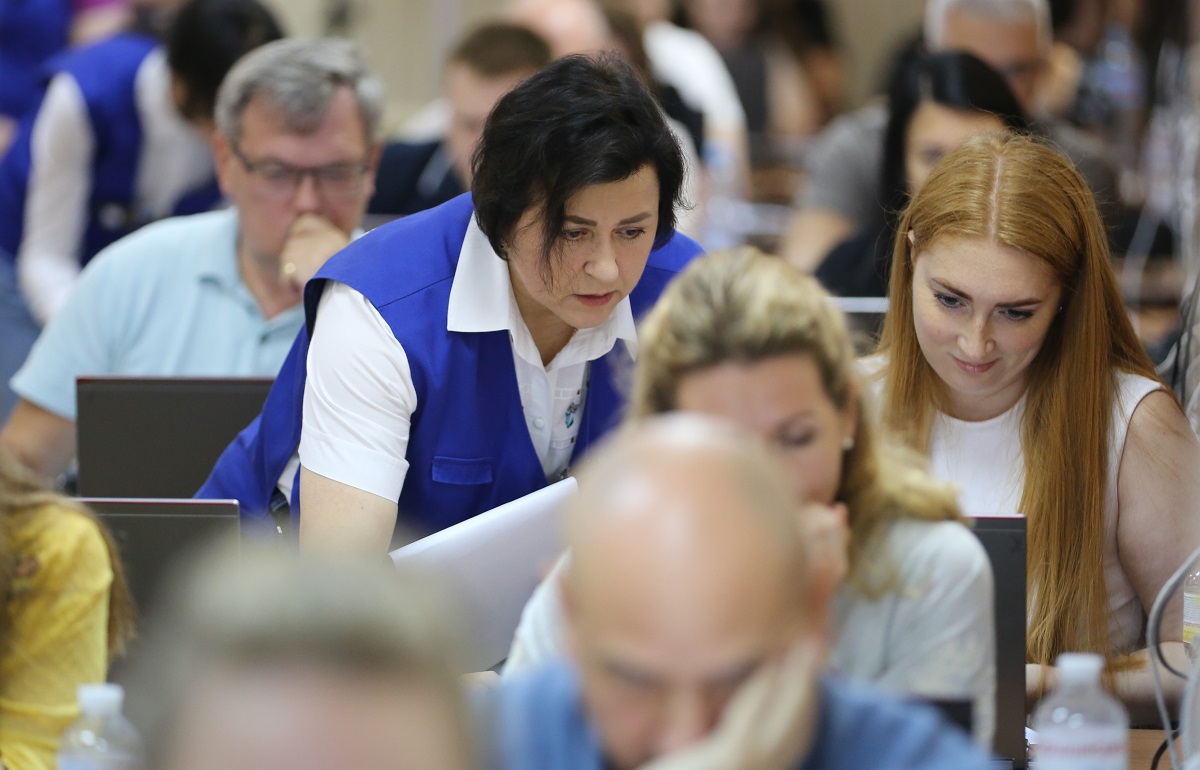 During registration, each exam participant confirms with their signature the correctness of the entry by an authorised representative in the classroom register of the individual code or individual codes generated or selected independently during registration (depending on the specifics determined by the Commission’s decision). That is, during registration, the individual code can be generated by software, or the participant can independently select from already printed individual codes. If registration is carried out using software, the code is entered exclusively on the individual card of the exam participant. The participant and the authorised representative responsible for registration confirm the correctness of the individual code entered on the individual card with their signatures. This card is the only document in which the individual code is recorded. The individual card remains with the participant. After the test is completed, the authorised representatives must record the participant’s result. Participants also confirm with their own signatures the correctness and accuracy of the recording of their scores in the classroom record.”
Which processes are fully computerised?
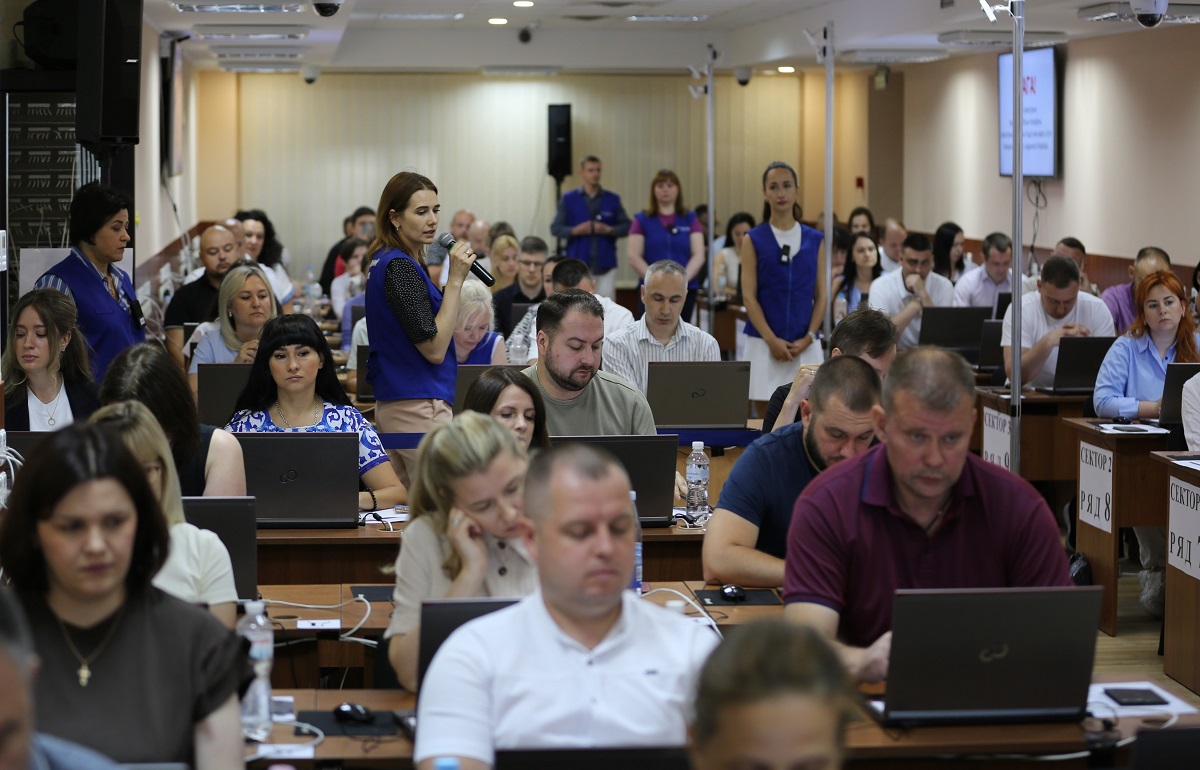
“Until 2019, only paper-based materials were used during the testing stages of the qualification exam. Each test participant was provided with a paper test booklet and a paper answer sheet. After the test was completed, these forms were placed in a secure bag. In the presence of the test participants, they were sealed, and after being transferred to a specially equipped room, these bags were opened and the answer sheets were scanned. Software was used in other processes, such as working with test question databases, generating them for test participants, i.e. creating different versions of test booklets, scanning answer sheets and determining test results, including their decoding.
The testing process has been optimised since 2024. Now everything is computerised, i.e. exam participants take the test without using paper. After completing the test, each participant already knows their result, which is displayed on the computer monitor and recorded in the classroom register.
Until 2019, the practical assignment was partially computerised. Participants completed practical assignments by hand or on a computer, depending on the number of candidates for the position of judge who took part in the exam. In the presence of the participants, the safe packages were sealed, and after being transferred to a specially equipped room, these packages were opened and the notebooks for the practical assignment were scanned. The notebooks uploaded to the software were distributed to the members of the exam boards (commissions) for checking and determining the results. Next, the coded results of the practical assignment were approved, and after an automated decoding procedure, the decoded results were approved.
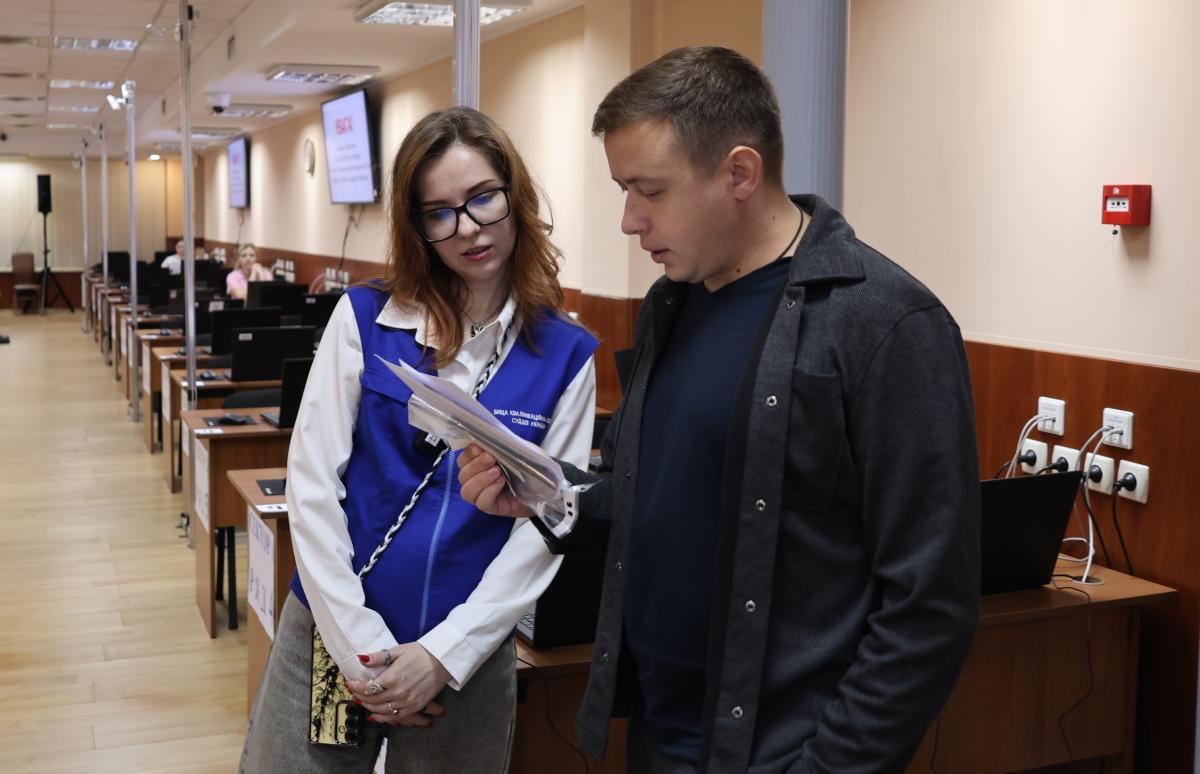
Since 2024, the procedure for completing the practical assignment has been improved. Now, participants have their own electronic account for completing the practical assignment, where they can view the practical assignment notebook and submit their court decision. Another difference is that a second type of practical assignment has been introduced: each participant must continue to present the already proposed parts of the model court decision (model court decisions). In other words, there are already prepared parts of the court decision, and the participant must continue to present the missing parts based on them. The entire process is computerised and no paper media are used. Except for paper drafts for participants). Verification, assessment, and determination of coded and decoded results are carried out using a computer program. “
Who from other structural units of the Commission helps you during the exam and how?
“In accordance with the Regulation on the Procedure of Qualification Examination and Methodology for Assessment of Candidates, the list of authorised representatives involved in conducting the qualification exam is approved by order of the Head of the Secretariat. Based on the decision of the Commission, persons who are not employees of the Secretariat of the Commission may be involved in conducting the stages of the qualification exam. In practice, the involvement of persons who are not employees of the Secretariat of the Commission has been implemented only once – during the testing of cognitive abilities within the framework of competitions for the High Anti-Corruption Court and the Appeals Chamber of the High Anti-Corruption Court, as well as the competition for the courts of appeal.

Given the scope of work, one Division of Organisational Securement for Examination alone would not be able to cope. For each qualification exam, a list of employees involved in its organisation and conduct is approved. This necessarily includes the relevant divisions of the Department of Judicial Career, namely the Division of Organisational Securement for Examination, the Division of Methodological Securement for Examination, as well as other units of the secretariat. For example, the Department of Information Technologies and the Division of Economic Management and Logistics.
The order approving the authorised representatives defines their functions and responsibilities. Thus, the Department of Information Technologies provides functions related to software products used to conduct the stages of the qualification exam and to ensure the correct operation of laptops. Requirements and mechanisms for access to certain materials, in particular, local regulatory acts, are developed for the practical assignment.

The Division of Economic Management and Logistics also plays a very important role. Commission has appropriate halls that have official shelter status and allow such events to be held in safe conditions for participants. There have been cases of power outages, and Commission’s workers have ensured uninterrupted power supply. The employees of this structural unit also provide lighting and air conditioning in the premises. They monitor the cleanliness and tidiness of the premises. Please be reminded that we can have 3-5 groups of test participants at a time. After each group has been tested, the premises must be cleaned and ventilated.
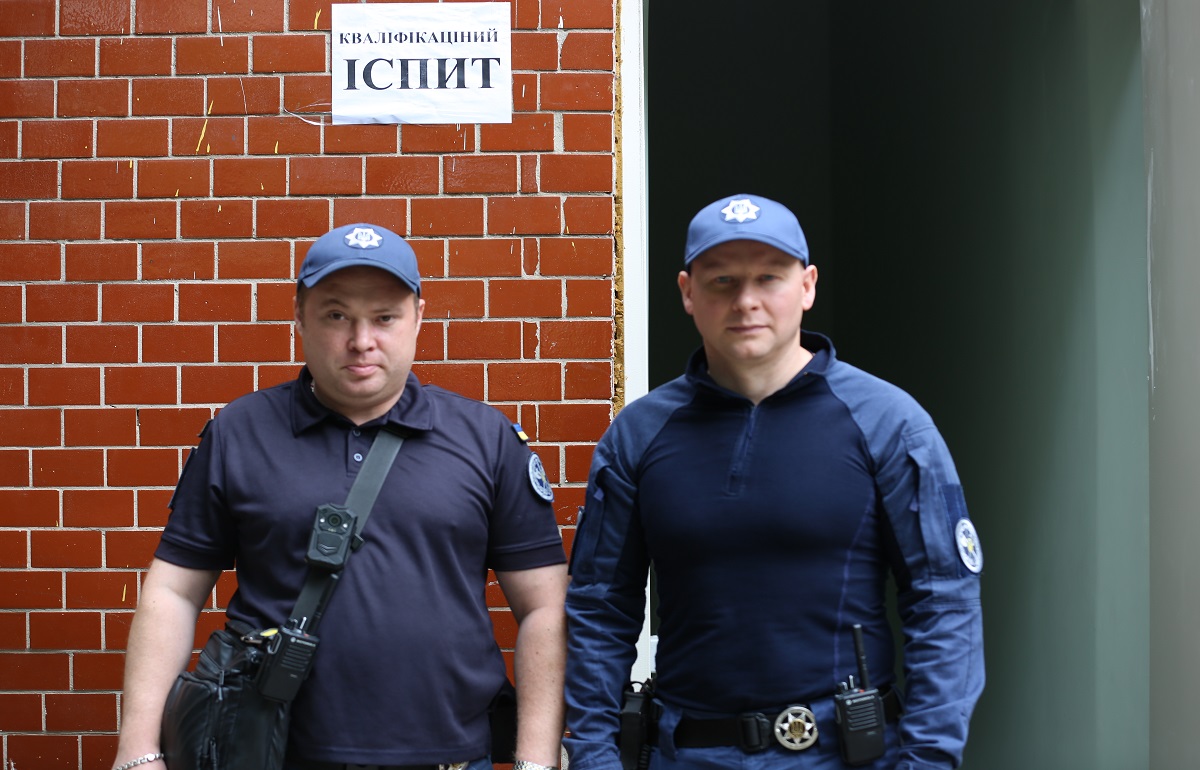
I would like to thank all the Secretariat staff who helped us organise and conduct the stages of the qualification exam.
I would also like to mention the staff of the Court Security Service, who ensured order and checked exam participants upon admission to the premises for the absence/presence of prohibited items, substances, etc.”